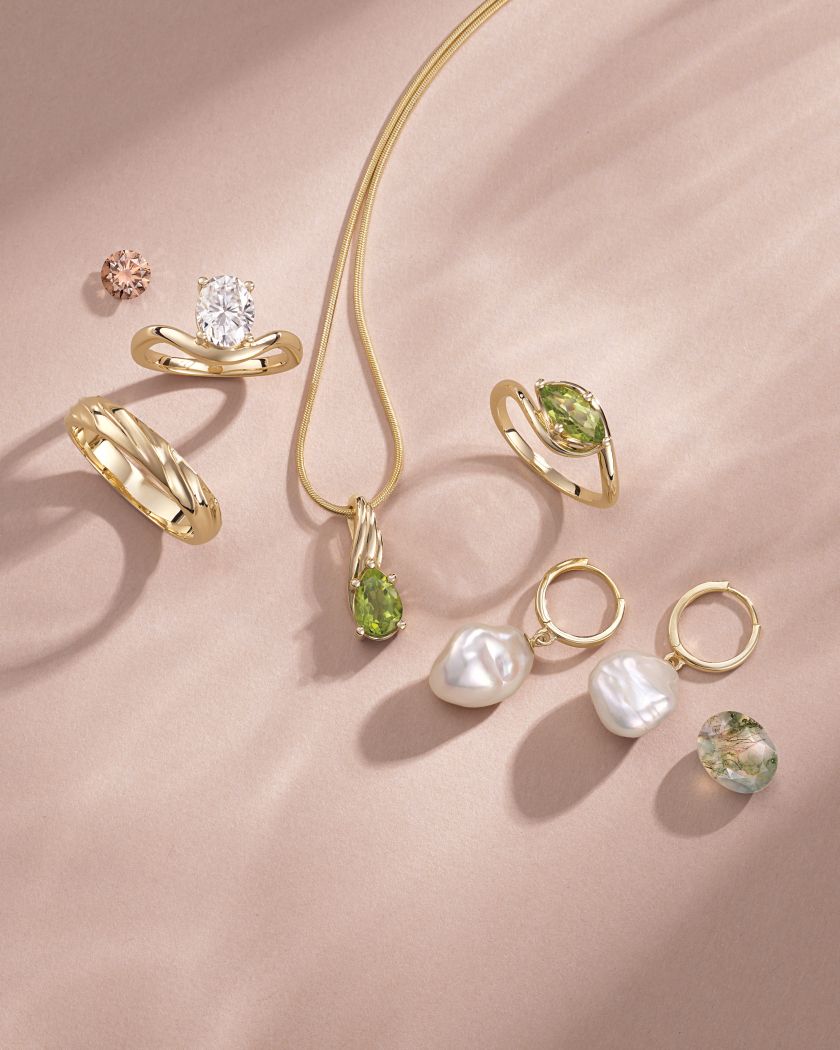
Not a display case. An heirloom. A milestone. A loose stone. A photograph. A piece someone has been describing for years and has never actually seen.
Most custom jewelry does not begin with a sketch.
It begins with a drawer.
A jewelry box.
A small envelope.
A photograph.
Or a sentence:
“I do not know what to do with this.”
That sentence probably starts more custom jewelry projects than any Pinterest board ever has.
And it is a perfectly good place to begin.
Inherited jewelry often carries more meaning than wearability. The diamond, sapphire, ruby or emerald may still be exceptional. The setting may belong very confidently to 1978.
That does not mean the piece should remain in a drawer out of respect.
Sometimes preserving family history means changing the jewelry so the story can continue.
We examine the piece under magnification, identify what is sound, explain what is risky, and discuss whether the stones should be reset, restored, combined, separated or left exactly as they are.
Occasionally the honest answer is that a stone is too damaged to reset safely. Occasionally it turns out not to be what the family believed. You should learn that before the new piece is designed, not three years later during an insurance appraisal.
Reserve an Heirloom Consultation
Custom jewelry design should not feel like sending instructions into the distance and waiting to see what comes back.
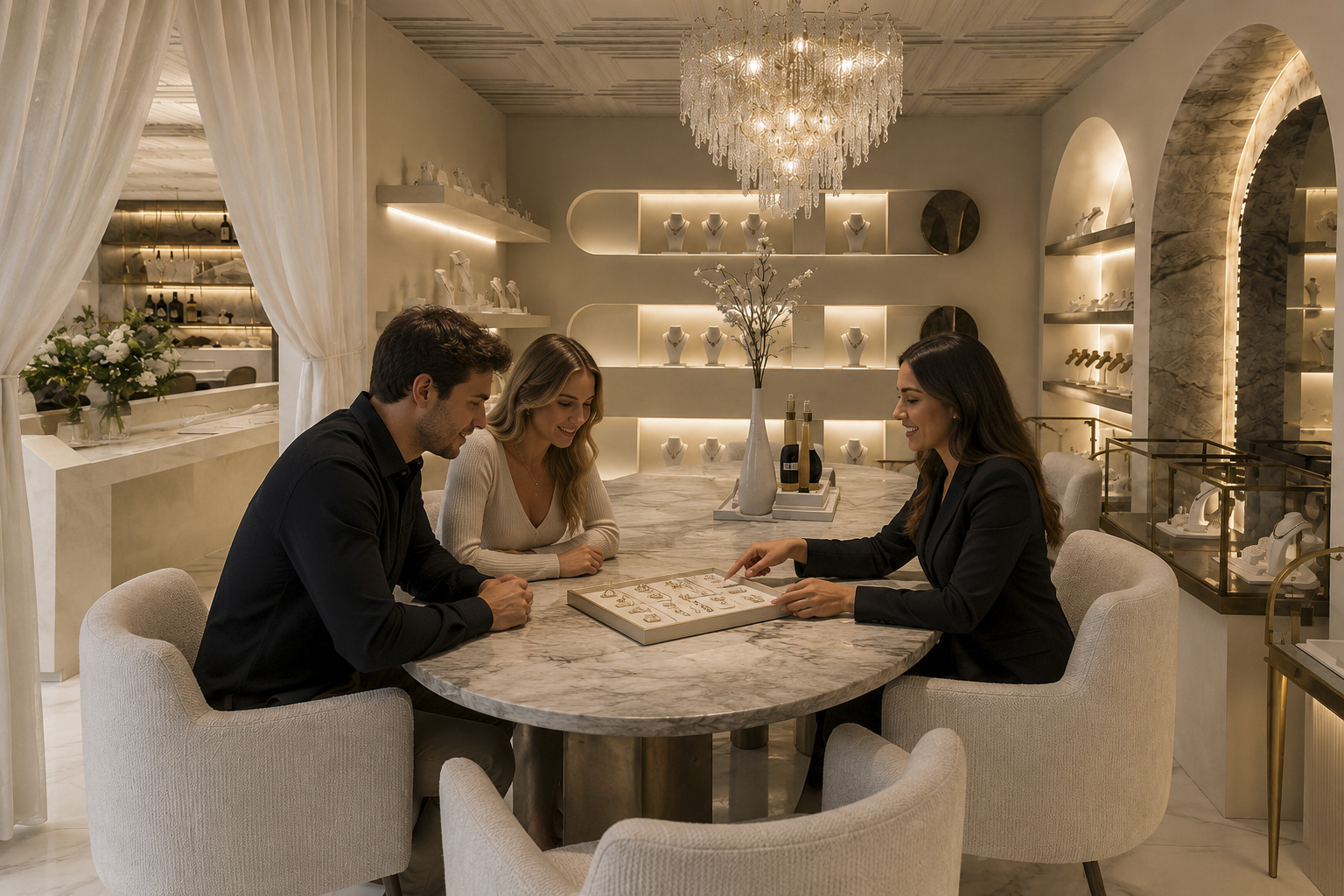
At Diamond Consulate, the design develops with you in the room.
Want the pendant more refined? We change the scale while you watch.
Think the heirloom diamond should sit lower? We lower it.
Wonder whether the old stones belong together or would be stronger as two separate pieces? We can show both possibilities.
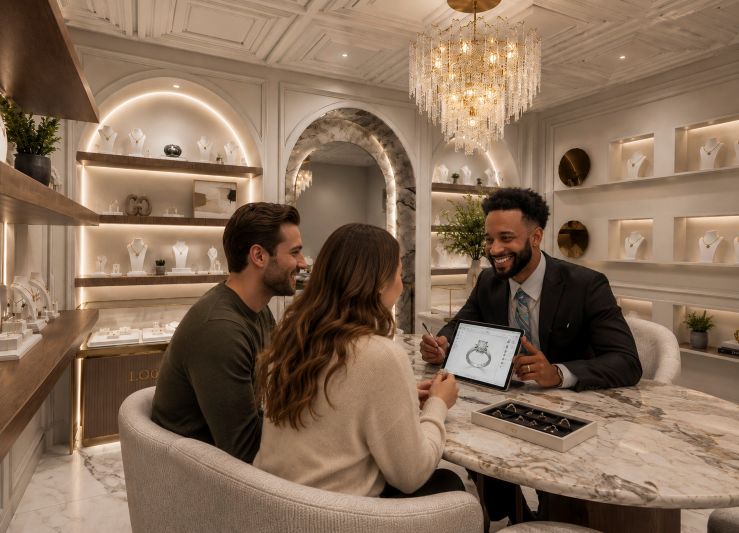
Live Collaborative CAD Design makes the conversation visible. You see proportion, structure, stone placement, profile, symmetry and scale before anything moves into production.
The memory remains intact. The jewelry finally catches up.
Explore Live CAD DesignPeople often say, “I have been meaning to do something with these stones for twenty years.” We believe them. We hear it almost every week.
Bring the stones inCustom jewelry can begin with an existing stone, a milestone, a practical need, or a design that simply does not exist yet.
Old rings, pendants, brooches, loose stones and family pieces rebuilt into jewelry that feels current without erasing where it came from.
Anniversary rings, diamond bands, milestone necklaces, retirement gifts, promotion pieces, business-sale celebrations and the occasional “I finally did it” commission.
Diamond pendants, gemstone necklaces, family lockets, symbolic pieces and designs built around a stone that has been waiting for a purpose.
Diamond studs, drops, hoops, gemstone earrings and matched pairs created from inherited or newly selected stones.
Sapphires, rubies, emeralds, spinel, tourmaline, aquamarine, birthstones and unusual gemstones designed into rings, pendants, bracelets and earrings.
Signet rings, substantial bands, cufflinks, pendants, chains and pieces with enough personality to avoid looking like they came from the one small men’s tray in the corner.
Tennis bracelets, gemstone bracelets, heirloom redesigns and custom links created around a preferred scale, stone layout or family collection.
Pieces representing children, grandchildren, anniversaries, generations or family stones combined into one coherent design.
Someone wants the earrings she has imagined for fifteen years.
Someone wants a pendant that uses Grandma’s sapphire but looks nothing like Grandma’s pendant.
Someone wants a signet ring with a family symbol, but not a family crest because the family does not have one and nobody wants to invent medieval paperwork.
Someone wants a necklace that exists nowhere else.
Perfect.
The best custom jewelry usually is not replacing something. It is finishing something.
An anniversary. A birth. A graduation. A retirement. A promotion. A recovery. A company sold. A new chapter after a difficult one.
Custom anniversary jewelry and milestone pieces carry more meaning when the design belongs to the moment rather than merely arriving near it.
That might mean adding new diamonds around an original engagement stone. Creating a pendant with the birthstones of children or grandchildren. Designing a ring that marks twenty-five years without trying to look like the engagement ring all over again.
The occasion gives the piece a reason. The design gives it a life afterward.
Bring the old piece, the loose stones, the photograph, the sketch, the saved image, or the sentence you have been repeating to yourself for years.
You do not need to know the difference between a bezel and a basket. You do not need dimensions. You do not need to arrive with a complete design.
Most people are much better at recognizing what feels right than explaining it in advance.
That is what the consultation is for.
Explore the ConsultationThe existing jewelry, loose stones, inspiration, milestone, photograph or idea. The first part is understanding what matters and what does not need to be preserved.
We examine stones and settings under magnification, discuss condition, identify potential risks and explain what can be reused, credited, restored or left alone.
The custom jewelry design develops on screen with you in the room. Proportion, profile, stone placement and structure can be adjusted before production.
You review the final design and receive a firm quote before work begins. No moving estimate. No mysterious addition that appears after everyone has become emotionally attached.
Most custom pieces require approximately four to six weeks after approval. Complex engraving, unusual stone work or restoration may take longer.
Existing diamonds and gemstones can often be reset when they are structurally sound and appropriate for the new design.
Old metal is more complicated. In many cases, unwanted gold can be credited toward the new project. Reusing the exact metal in a new casting may or may not be advisable depending on alloy, contamination, solder, previous repairs and the demands of the new piece.
When the sentimental importance lies in the original metal itself, we discuss the safest realistic options. Sometimes a small portion can be incorporated intentionally. Sometimes the better choice is to preserve a section of the old piece or keep it with the new jewelry.
Sentiment deserves respect. It does not require pretending metallurgy has no opinions.
Custom jewelry pricing depends on metal, weight, stone sourcing, existing materials, setting style, complexity, hand engraving, restoration and the amount of bench work required.
These are planning ranges. You receive a firm quote before production begins.
| Custom jewelry project | Typical planning range |
|---|---|
| Simple custom pendant | $1,000–$3,000 before a significant center stone |
| Custom earrings | $1,500–$5,000+ depending on stones, scale and setting |
| Heirloom jewelry redesign | $2,500–$8,500+ depending on complexity and new materials |
| Anniversary or milestone ring | $2,000–$8,000+ depending on diamonds, gemstones and construction |
| Custom men’s jewelry | $1,500–$7,500+ depending on weight, metal, engraving and stones |
| Hand engraving or specialty detail | Add approximately $500–$3,000+ depending on complexity |
Some projects cost less. Some cost considerably more. The useful conversation begins with the real budget, not the budget you think sounds impressive.
Some antique jewelry is more valuable, historically important or structurally coherent in its original form.
Some stones are too damaged to risk resetting. Some restorations would cost more than the finished piece justifies. Some family jewelry should be preserved rather than dismantled.
We will tell you that.
Custom jewelry design is not improved by saying yes to every possible project. Sometimes the most respectful choice is to leave the piece alone and find another way to carry the story forward.
Custom jewelry is designed and made specifically for one client rather than selected from existing inventory. It can include heirloom redesign, pendants, necklaces, earrings, bracelets, anniversary rings, gemstone jewelry, signet rings, cufflinks, men’s jewelry and one-of-a-kind commissions.
Yes. Heirloom jewelry redesign is a major part of the studio’s work. We examine the stones and setting, explain what is sound, identify risks and design a new piece that preserves the meaning while making the jewelry wearable again.
Often, yes. Stones from several rings, pendants or family pieces can sometimes be combined into one new design or divided into coordinating pieces. The final recommendation depends on size, condition, shape, color and how well the stones work together.
Yes. Stones may be chipped, fractured, heavily abraded, treated or unsuitable for the proposed design. We explain those issues before the project begins and may recommend preserving the stone in its current setting or choosing another approach.
Old gold can often be credited toward a new project. Reusing the exact metal in a new casting depends on alloy, solder, contamination, previous repairs and the requirements of the new design. We explain the safest practical option for each piece.
Sometimes. Clear photographs, measurements, surviving matching pieces and written details can help recreate the overall design. Exact replication may not be possible when important structural information is missing, but a faithful interpretation often is.
Yes. Inspiration images can help identify proportion, style, details and overall direction. The final piece should be designed specifically for you rather than copied blindly from another maker’s work.
Yes. Projects can include diamond pendants, gemstone necklaces, lockets, family jewelry, symbolic pieces and designs built around an existing or newly selected stone.
Yes. Custom earrings can include studs, drops, hoops, gemstone designs, matched pairs created from inherited stones and one-of-a-kind pieces developed through CAD.
Yes. Diamond Consulate designs signet rings, bands, cufflinks, pendants, chains and other men’s jewelry in platinum, gold and other appropriate materials.
Yes. New natural or laboratory-grown diamonds can be incorporated into a custom design alongside existing stones when appropriate. We explain the visual, economic and future-value differences before selection.
Yes. Diamonds can be combined with sapphires, rubies, emeralds, birthstones and other gemstones. The design should account for differences in hardness, durability, color and daily-wear suitability.
Yes. Family stones or shared design details can be used across pendants, rings, earrings, bracelets or men’s pieces without making every item identical.
Simple custom pieces may begin around $1,000, while substantial heirloom redesigns, diamond jewelry, gemstone projects and complex handwork can range from several thousand dollars to much more. A firm quote is provided before production begins.
Most custom jewelry requires approximately four to six weeks after final design approval. Complex engraving, restoration, unusual stone sourcing or intricate construction may require additional time.
No. Bring the jewelry, stones, inspiration, photograph, sketch or idea. Much of the consultation is devoted to identifying what you like, what matters emotionally and what the finished piece needs to do.
Yes. The design is developed through Live Collaborative CAD Design, allowing you to review the piece from multiple angles and participate in revisions before production.
Yes. The consultation is for understanding what is possible, what is advisable and what the project may cost. You are not required to move forward.
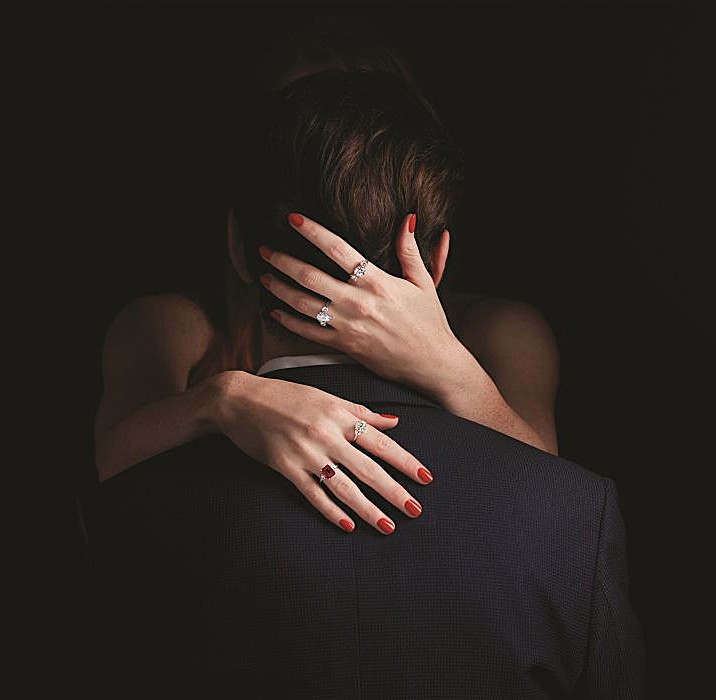
Bring the jewelry box.
Bring the envelope.
Bring the photograph.
Bring the sketch.
Bring the loose stones.
Bring nothing but the idea.
We will figure out the rest together.
Reserve a Custom Jewelry ConsultationOpening November 2026 · Reservations available now · (405) 805-1050