A custom pendant is more than a stone in a setting. The pendant scale, chain length, bail, orientation, metal weight and how the piece moves on the body all affect whether it becomes jewelry you actually reach for.
Start with the purpose of the piece
A daily necklace, anniversary gift, heirloom redesign and statement pendant solve different design problems. Daily pieces usually benefit from comfortable scale, secure construction and a chain suited to frequent wear. A special-occasion pendant can support more dramatic proportions or delicate details.
Design around the gemstone
If the pendant begins with a diamond or colored gemstone, exact dimensions should guide the setting. A bezel can create a clean frame and additional edge protection; prongs can expose more of the stone. Unusual cuts often benefit from a custom setting rather than being forced into a standard mounting.
Chain length changes the design
Where a pendant sits on the body affects visibility, layering and how often it is worn. A shorter chain may place the piece near the collarbone; longer lengths create a different visual relationship with clothing. Adjustable stations can add flexibility when the wearer regularly changes necklines or layers jewelry.
The bail deserves attention
The bail connects pendant and chain and influences how the piece hangs. Its scale should feel intentional, and its opening must accommodate the selected chain. Hidden bails can create a clean look, while visible bails can become part of the design. Some pendants are engineered so the chain passes through the body of the piece.
Think about movement and orientation
A pendant should face forward and settle predictably. Weight distribution, chain attachment and the location of the bail all influence whether it flips or rotates. Multi-stone pendants may require additional thought so the composition stays balanced when worn rather than only when lying flat.
Heirloom stones work beautifully in pendants
A pendant can be an excellent solution for an inherited stone that no longer suits the client’s ring style or lifestyle. Because necklaces typically experience less impact than rings, they can also be appropriate for some gemstones that deserve more protection. Condition should still be evaluated first.
Custom necklace design in Oklahoma City
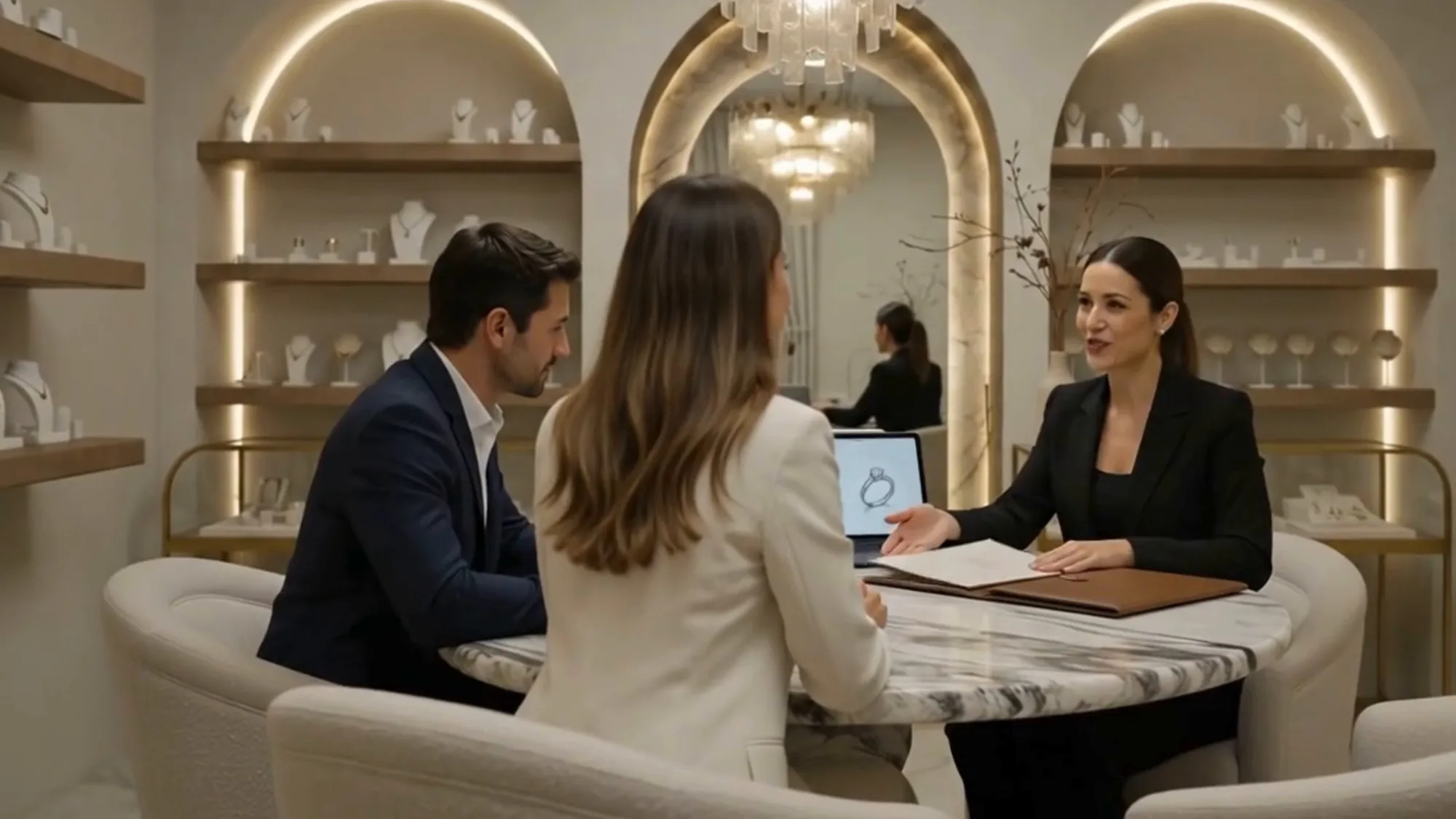
Diamond Consulate designs custom pendants and necklaces by private consultation in Oklahoma City. Clients from Nichols Hills, Edmond and surrounding communities can bring loose stones, inherited jewelry or simply an idea, then develop proportions and details around the person who will wear the piece.
Continue your research
Related resources: Custom Jewelry Design · Jewelry Redesign · Choosing Gemstones · CAD Jewelry Design · Reserve a Consultation
Can I use my own diamond in a custom pendant?
Often, yes. The diamond should be inspected and measured so the pendant setting can be built around its actual dimensions.
What chain length is best for a pendant?
It depends on the wearer, neckline, pendant scale and whether the necklace will be layered. Adjustable lengths can add flexibility.
Is a bezel or prong setting better for a pendant?
Both can work. Bezels create a clean frame and edge protection, while prongs can expose more of the gemstone.
Can an old ring be turned into a necklace?
Yes. Diamonds and gemstones from rings can often be redesigned into pendants after evaluation.
Why does a pendant flip over?
Weight distribution, bail position, chain attachment and pendant geometry can all affect how a pendant hangs and whether it rotates.