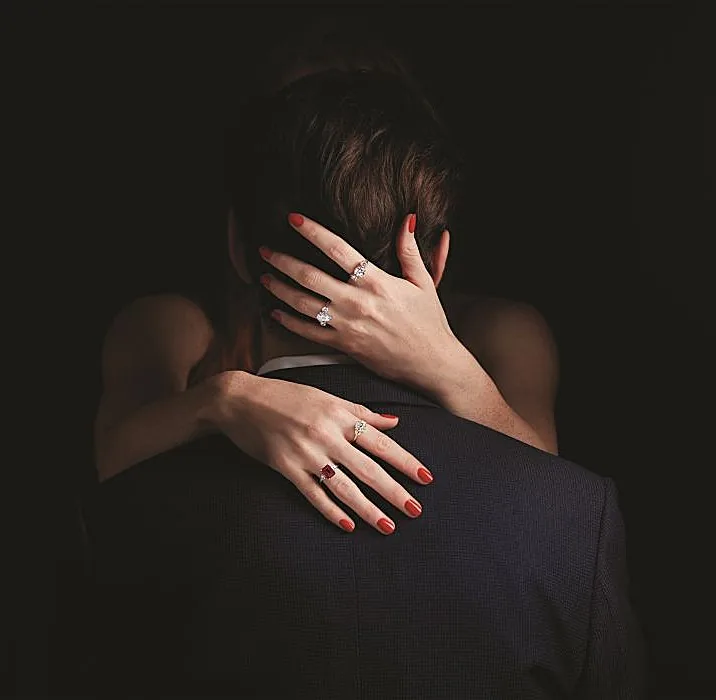
Many types of jewelry can be repurposed, but the reusable part is often the diamond or gemstone rather than the entire original piece. Condition, measurements, metal and sentimental priorities determine what should carry forward.
Diamonds
Diamonds are frequently reused in redesign projects. Center stones can move into new rings or pendants, while smaller diamonds can become accents in bands, halos or multi-stone designs. Each stone should be inspected and measured because old cuts and previously set stones may not match standard modern dimensions.
Colored gemstones
Sapphires, rubies and many other colored gemstones can sometimes be repurposed, depending on condition and intended wear. Because gemstone durability varies, a stone that worked in an occasional-wear brooch may need more protection if moved into an everyday ring.
Rings, earrings and pendants
The original category does not limit the redesign. Stud earrings can contribute stones to a ring, a ring can become a pendant, and several family pieces can supply stones for one new design. Thinking in terms of usable materials rather than original objects opens more possibilities.
Small accent stones
Small diamonds and gemstones can be useful, but size consistency, condition and quantity matter. Matching old stones to new ones may require careful sourcing. Sometimes using a selection of the original accents creates a better result than trying to force every stone into the design.
What about the metal?
Precious metal has value, but direct reuse in a new casting is a technical question. Old jewelry may contain solder, mixed alloys or unknown repair materials. Depending on the project, it may be better to use newly refined metal and apply the old metal’s value rather than physically recast it.
Jewelry that may not be a good candidate
Severely damaged or heavily abraded gemstones, very thin components and structurally compromised settings may not be suitable for reuse in their current form. That does not mean the piece has no value; a different component may still be preserved, or the story can guide a new design.
How to prepare for a repurposing consultation
Bring everything you are considering, including unmatched earrings, loose stones and broken pieces. Do not worry about deciding in advance what should be used. Diamond Consulate evaluates the possibilities during private Oklahoma City consultations and can help prioritize the elements with the strongest sentimental and design value.
Continue your research
Related resources: Jewelry Redesign · Can Old Jewelry Be Made New? · Resetting an Heirloom Diamond · Custom Jewelry Design · Reserve a Consultation
What types of jewelry can be repurposed?
Rings, earrings, pendants, bracelets, loose diamonds and many gemstones can potentially contribute materials to a new custom design.
Can small diamonds from old jewelry be reused?
Often, yes, if their condition, size and quantity suit the new design.
Can I combine jewelry from different family members?
Yes. Stones or meaningful elements from several pieces can often be unified in one new design.
Is all old gold reusable in a new casting?
Not necessarily. Solder, mixed alloys and prior repairs can make direct recasting less predictable, so the metal should be evaluated.
What should I bring to a redesign consultation?
Bring all potentially relevant pieces, loose stones and broken jewelry so the designer can evaluate the complete set of options.